联系我们

联系我们

我们为客户提供优质的产品并提供优质的服务
如果您想给我们留言,请 联系我们

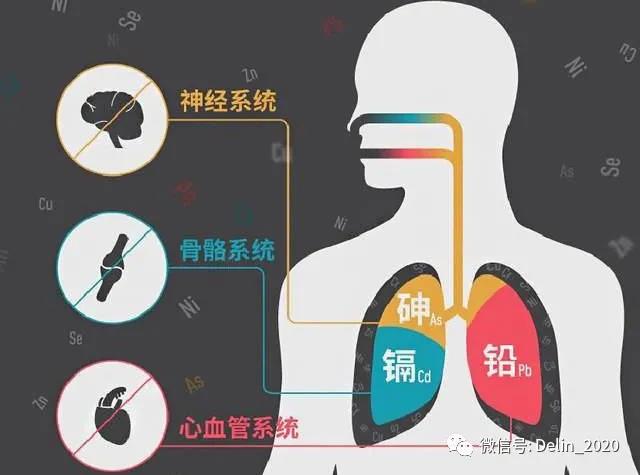
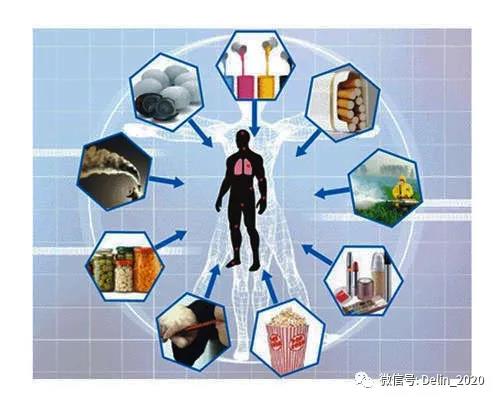
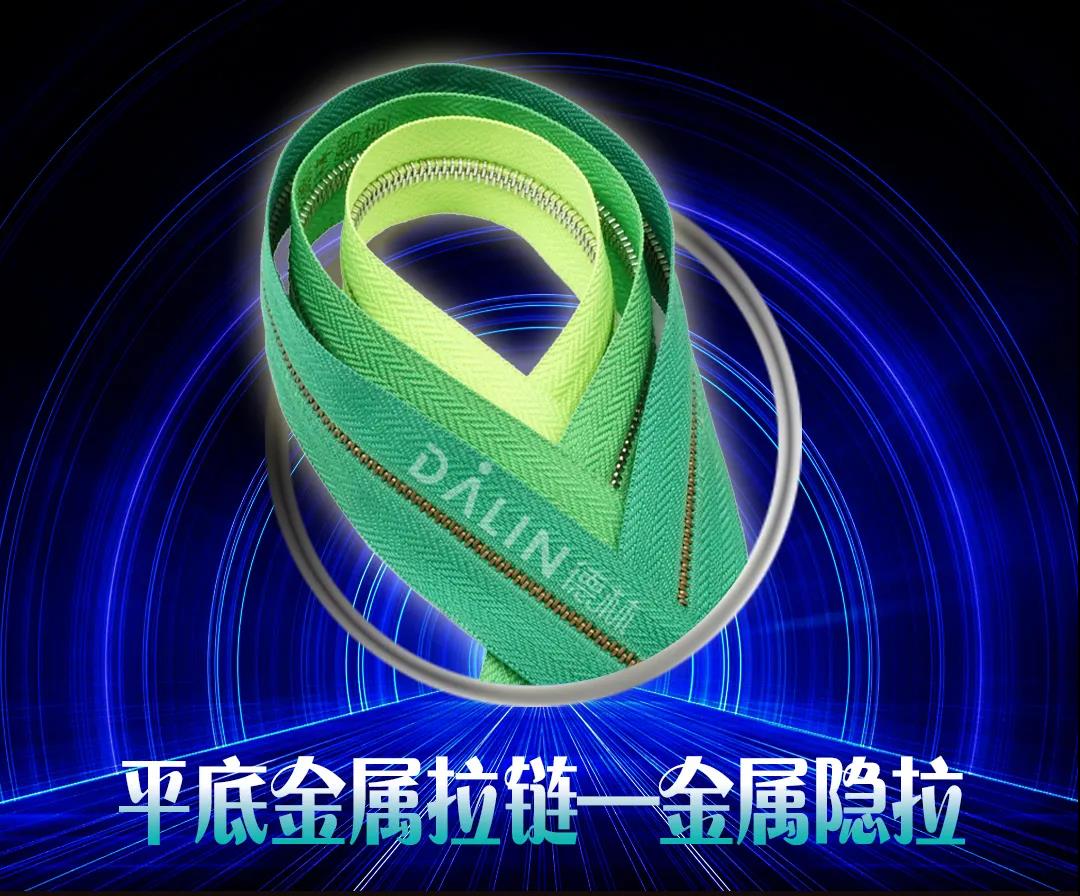
01 Definition of heavy metal Heavy metal hazards and detection We often hear about heavy metal pollution in seafood in various parts of the world through the news, such as toxic soy sauce, toxic milk powder, toxic starch, and ice pops with excessive additives... These events not only tell the severity of the invasion of heavy metals into our living environment, but even if you are as careful and cautious as possible, it is still difficult to avoid consuming food components that should not be ingested into the body. 01 What is heavy metal? Heavy metal is a term used to describe a group of metallic elements with a density of more than five grams per cubic centimeter, of which about forty are known. Includes: mercury, gold, chromium, copper, cadmium, zinc, lead, etc. As for arsenic, although it is a non-metal, there are many similar properties between arsenic and heavy metals, so it is generally combined with heavy metals. 02 How heavy metal harm the human body? Heavy metals can enter the human body through dietary, respiratory, or direct contact routes. However, unlike other toxins, heavy metals cannot be metabolized and excreted by the liver; instead, they are highly likely to accumulate in organs such as the brain and kidneys, gradually damaging normal body functions. Heavy metals, after entering the human body, will combine with proteins, nucleic acids (DNA, RNA) in our body. The main function of proteins in organisms is to carry out enzyme reactions, and when these enzymes combine with heavy metals, it will lead to a weakening or disappearance of enzyme activity. On the other hand, when heavy metals combine with nucleic acids, it will cause changes in the structure of nucleic acids, leading to gene mutation, affecting cell genetics, and producing birth defects or cancer. 03 Heavy metal poisoning to the human body is common: Pb:Damage brain cells, cause cancer and mutation, etc. Mercury:It directly sinks into the liver after being eaten, and it is extremely destructive to the brain nerves and vision. Natural water contains 0.01 milligrams per liter, which can cause strong poisoning. Chromium:It can cause numbness in limbs and mental abnormality. Arsenic:It can cause skin pigmentation and abnormal keratinization. Cadmium: leads to high blood pressure, causing cardiovascular and cerebrovascular diseases; destroys bone calcium, leading to kidney dysfunction. Fluorine: mild cases of dental fluorosis, skeletal fluorosis; severe cases of bone density is too hard, prone to fractures. Pb:is one of the heavy metal poisons with greater toxicity, once it enters the human body, it is difficult to eliminate. It directly damages human brain cells, especially the fetal neural plate, which can cause shallow brain sulci and mental retardation; it can also cause dementia and brain death in the elderly. Aluminum:Accumulated for a long time, it causes intellectual disability in children; memory loss in middle-aged people; dementia in the elderly, etc. Cobalt:It can cause radioactive skin damage. 04 Heavy metal inspection and treatment Heavy metals are difficult to avoid in life, how can you know the content of heavy metals in your body? At present, major medical institutions have advanced inspection technology to check the content of heavy metals in your body. Heavy metal inspection can be performed using serum or hair as samples. The content in serum is timely information, while the content in hair represents the amount of heavy metals in the body during a certain period (i.e., the growth period of the hair submitted for inspection), and it is a non-invasive inspection, which is the best sample for heavy metal inspection. As long as you cut a lock of your hair, you can know which heavy metals are accumulated in your body and the content of the accumulation. Heavy metal substances are usually hidden in the body without any feeling, but over time, they accumulate and pose a great threat to health. Each heavy metal test has its own normal range, which is also the upper limit that cells can tolerate their harm. Once exceeded, it will directly damage the organs and tissues, causing various symptoms such as nausea, diarrhea, and fatigue. Like some offshore fish contain mercury, lead and other substances, excessive intake can harm intellectual development; and there are daily cosmetics, unscrupulous traders will grind lead into white powder, claiming that it has whitening effects, and women who are exposed to too much of it will be more affected. In addition, excessive accumulation of aluminum in the body can damage the brain and nervous system, and gradually lead to memory loss, stuttering and so on. 02 Apparel, textiles, clothing accessories Detection standard Clothing, textiles, and clothing accessories are necessities in our lives, and the clothing we wear and the jewelry we wear may all come into contact with heavy metals. Heavy metals in clothing, textiles, and clothing accessories mainly come from the use of heavy metal complex dyes and chemical auxiliaries, the absorption and enrichment of natural fibers from the natural world, and cross-contamination during the production process. The EU EN-71 standard and the US ASTM F963 standard both strictly regulate the testing and limit standards of the content and leaching amount of eight major heavy metals, the tested elements are: cadmium (Cd), lead (Pb), mercury (Hg), chromium (Cr), antimony (Sb), arsenic (As), barium (Ba), selenium (Se), the eight major heavy metal tests not only detect their content, but also detect their leaching amount. The difference between the content and the leaching amount is: the former is to directly test the content of the eight major heavy metal elements in the sample, and the latter is to soak the sample in a specific solvent or container for a period of time to measure the amount of migration. The EU EN-71 standard and the US ASTM F963 standard both strictly regulate the testing and limit standards of the content and leaching amount of eight major heavy metals. Clothing, textiles, and clothing accessories also have corresponding regulations and content limit requirements for heavy metal testing, and we should strictly pay attention to heavy metal testing to avoid heavy metal harm to our human body. 03 Dinglin Smart Control Green product The blue GCC208 adhesive strip and white GCC101 woven elastic band launched by Deling Company have been strictly tested and have complete test reports. All test items data meet the GB 6675.4-2014 eight major heavy metal migration standards and GB18584-2001 limit standards for harmful substances. Green products, your escort. Glue strip Dinglin Technology Braided elastic band Delin Intelligent Control . Metal Hidden Pull European Union Trademark Registration Authorization U.S. Trademark Registration Authorization (Metal hidden pull, metal invisible) EU 27 countries full coverage Russian patent authorization Indian patent authorization Japan patent authorization Australian patent authorization Korean patent authorization Hong Kong patent authorization in China China Taiwan patent authorization China patent full coverage DL Innovation creates; steady and far-reaching steps. Taobao sample direct: https://shop541867299.taobao.com/?spm=2013.1.w5001-21577206546.2.68ba6a51sT7aG2&scene=taobao_shop Service hotline consultation:18661282826